
Water damage is expensive, messy, and often avoidable. That is why many homeowners, painters, and DIY users ask a very specific question before buying: can canvas drop cloths actually protect against water?
The short answer is yes but with clear limitations. Canvas drop cloths provide water resistance, not full waterproofing. Understanding how canvas handles moisture helps you choose the right protection for your job.
How Canvas Drop Cloths Interact With Water
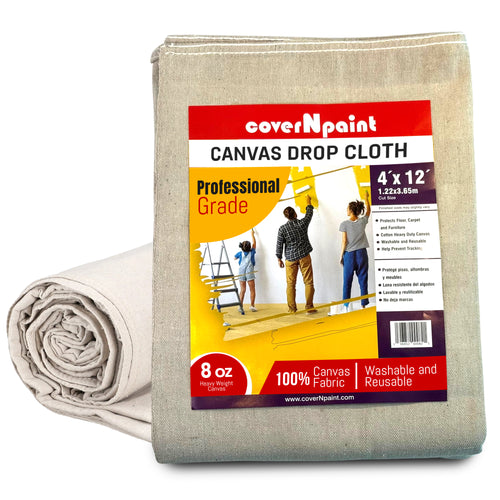
Canvas is made from tightly woven cotton fibers. This weave allows canvas to absorb liquid rather than letting it instantly spread across the surface. When water hits canvas, it slows down, absorbs into the fabric, and reduces immediate damage to floors or furniture. This is why canvas is preferred over plastic for indoor protection. Quality paint drop cloths from coverNpaint are designed to handle spills, drips, and short-term moisture exposure effectively.
Water Resistance vs Waterproof Protection
It is important to understand the difference. Canvas drop cloths are water-resistant, not waterproof. They absorb water and slow penetration, but they are not designed to stop prolonged or heavy water exposure. For everyday spills, paint drips, and light moisture, canvas performs very well. For standing water or outdoor rain exposure, additional protection may be needed.
How Canvas Performs Against Different Water Situations
|
Water Situation |
Canvas Drop Cloth Performance |
Recommended Use |
|
Paint spills |
Excellent |
Ideal |
|
Small water spills |
Very good |
Ideal |
|
Short leaks |
Moderate |
Acceptable |
|
Heavy rain |
Limited |
Not recommended |
|
Standing water |
Poor |
Avoid |
This table shows where canvas works best and where it does not.
Why Canvas Absorption Is Actually Helpful
Absorption is not always a disadvantage. When canvas absorbs water, it prevents slipping, pooling, and spreading. Plastic sheets push water outward, increasing the risk of damage and accidents. This is why canvas drop cloths are widely used during indoor painting, repairs, and light plumbing work.
Indoor Water Protection Use Cases
Canvas drop cloths are especially effective indoors. They protect hardwood floors, tile, carpet, and furniture from accidental spills. They also stay in place when wet, reducing slip hazards in busy work areas. For renovations and maintenance inside homes across Pearl states and nearby USA cities, canvas offers a safer solution.
Outdoor Use and Moisture Exposure
Canvas can be used outdoors, but expectations must be realistic. Light moisture, morning dew, or short exposure to damp ground is manageable. Prolonged rain or saturated soil will eventually soak through canvas. In outdoor jobs, canvas works best when paired with proper sizing and layering. Understanding coverage size matters for moisture control. Choosing The Right Size Paint Tarps
Thickness and Weave Density Matter
Not all canvas drop cloths protect equally. Heavier canvas has a tighter weave, which slows water penetration. Thin canvas absorbs quickly and may allow moisture through faster.
coverNpaint focuses on medium to heavyweight canvas options suitable for practical water-resistance needs.
Canvas Weight and Water Protection Level
|
Canvas Weight |
Water Resistance Level |
Best Use |
|
Lightweight |
Low |
Dust protection |
|
Medium |
Moderate |
Paint and small spills |
|
Heavyweight |
Higher |
Repairs and moisture-prone areas |
Choosing the right weight directly affects performance.
When Canvas Is Better Than Plastic
Plastic is waterproof, but it creates problems. Water pools on plastic, making surfaces slippery and dangerous. Canvas absorbs moisture and stays stable underfoot. For indoor protection, canvas is often the safer and more controlled option.
Cleaning Canvas After Water Exposure

Canvas drop cloths can be reused after water exposure. They should be air-dried fully before storage. Damp canvas should never be folded or stored wet, as this can cause mildew. With proper care, canvas drop cloths last through multiple projects.
Water Protection for Painting Projects
Painting often involves water-based paints and cleaning. Canvas drop cloths absorb paint-water mixtures without spreading stains. This protects floors more effectively than non-absorbent materials. This is one reason professional painters prefer canvas for interior work.
Water Protection for Home Repairs
Leaks, small plumbing issues, and appliance repairs often involve moisture. Canvas drop cloths reduce immediate damage and buy time during repairs. They are not a replacement for waterproof tarps, but they are highly useful for quick response situations.
Why coverNpaint Canvas Performs Reliably
coverNpaint focuses on functional canvas design. Their drop cloths are built for real-world use, balancing absorbency, durability, and handling. This makes them suitable for water-related tasks where control matters more than full waterproofing. coverNpaint serves homeowners, contractors, and DIY users across the USA through reliable e-commerce access.
Frequently Asked Questions
Are Canvas Drop Cloths Waterproof?
No. Canvas drop cloths are water-resistant, not fully waterproof.
Can Canvas Protect Floors From Water Spills?
Yes. Canvas absorbs spills and slows water spread, protecting floors effectively.
Is Canvas Better Than Plastic for Water Protection Indoors?
Yes. Canvas reduces slipping and pooling, making it safer indoors.
Can Canvas Be Used Outdoors in Rain?
Only for short exposure. Prolonged rain will soak through canvas.
Where Can I Buy Quality Canvas Drop Cloths in the USA?
You can buy reliable canvas drop cloths online from coverNpaint.