
If you’re planning a painting or renovation project, one question matters immediately: will a canvas drop cloth actually stop water, or will moisture pass through and damage the surface underneath?
Understanding How Canvas Drop Cloths Handle Water
Canvas drop cloths are not fully waterproof by default. They are made from tightly woven cotton fabric, which gives solid protection against paint spills, dust, and light moisture. Instead of repelling water, untreated canvas tends to absorb it.

This absorption works well for paint control, but in wet or damp conditions, moisture can slowly seep through the fabric. That’s why canvas drop cloths are best described as water-resistant, not waterproof.
Can Canvas Absorb or Repel Water?
The natural structure of canvas explains its behavior with water. Cotton fibers are breathable and porous, which allows airflow but also lets liquid soak in when exposure is heavy or prolonged.
For indoor painting, this absorbency is actually useful. It prevents paint from spreading and dripping across floors. For outdoor or high-moisture situations, extra protection becomes necessary.
Water Resistance vs Waterproof Protection
Many buyers confuse water resistance with waterproofing. Canvas drop cloths offer resistance, meaning they slow down moisture penetration but do not completely block it without treatment.
The table below shows how untreated and treated canvas compare in real use:
|
Canvas Type |
Water Handling |
Best Use Case |
|
Untreated canvas drop cloth |
Absorbs water slowly |
Indoor painting, dust protection |
|
Treated canvas drop cloth |
Repels light moisture |
Damp areas, controlled outdoor use |
|
Plastic or waterproof tarp |
Fully waterproof |
Heavy rain, outdoor ground cover |
Can Canvas Drop Cloths Be Waterproofed?
Canvas drop cloths can be treated to improve water resistance. Waterproofing sprays and coatings create a surface barrier that helps water bead instead of soaking in.
Common treatments include silicone sprays, wax coatings, and synthetic water repellents. These solutions improve performance but still do not make canvas fully waterproof under heavy rain or standing water.
Reapplication is often required, especially after washing or extended use.
How Fabric Weight Affects Water Resistance
The thickness of the canvas plays a major role in how much moisture it can handle. Heavier canvas has a denser weave, which slows water penetration more effectively than lightweight fabric.
This table helps buyers choose the right canvas weight based on project needs:
|
Canvas Weight |
Moisture Control |
Handling & Storage |
|
Lightweight |
Low |
Easy to fold and carry |
|
Medium-weight |
Moderate |
Balanced performance |
|
Heavyweight |
Higher resistance |
More durable, less portable |
When Canvas Drop Cloths Are the Right Choice
Canvas drop cloths perform best in controlled environments. They are ideal for interior painting, furniture protection, and renovation work where spills are expected but standing water is not.
For outdoor projects exposed to rain, plastic sheeting or waterproof tarps provide more reliable protection. Canvas excels when stability, absorbency, and surface grip matter more than total water blockage.
Where to Buy Canvas Drop Cloths Online in the USA
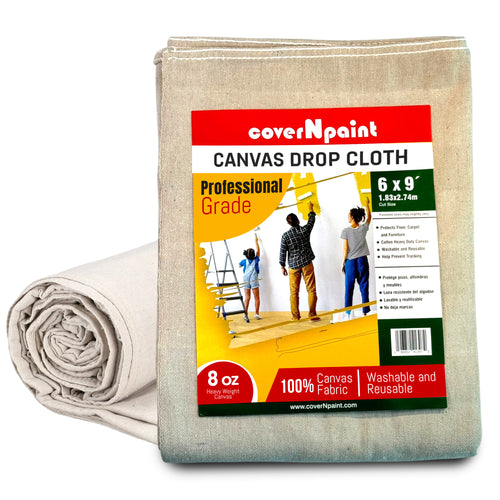
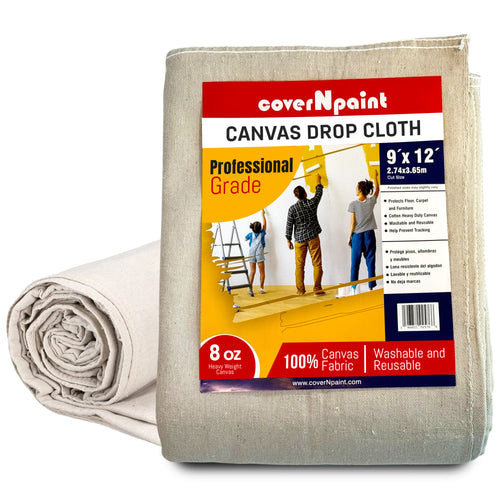
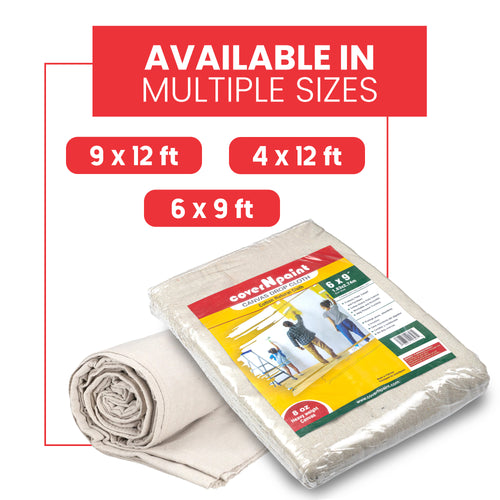
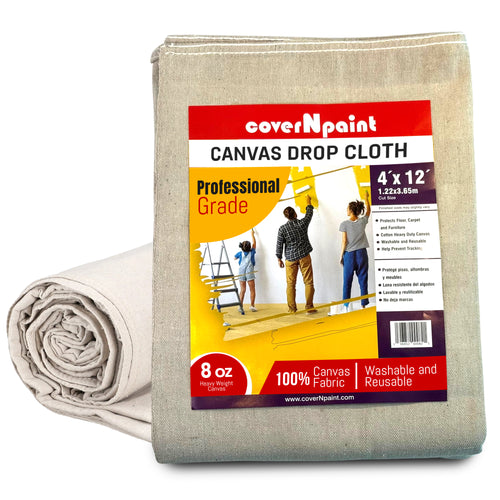
For buyers looking for dependable canvas drop cloths in the USA, coverNpaint offers well-constructed options designed for painting and surface protection. Available in multiple sizes, these drop cloths provide durability, controlled water resistance, and reliable coverage for professional and DIY projects.
Fast shipping across the USA makes it easier to get the right canvas drop cloth delivered when your project timeline matters.
Final Takeaway for Buyers
Canvas drop cloths are not fully waterproof, but they are highly effective for paint control and surface protection. With the right fabric weight and optional waterproofing treatment, they can handle light moisture while maintaining the durability and grip that painters prefer.
Choosing the correct drop cloth depends on where and how you plan to use it. Understanding this difference helps avoid surface damage and ensures better project results.