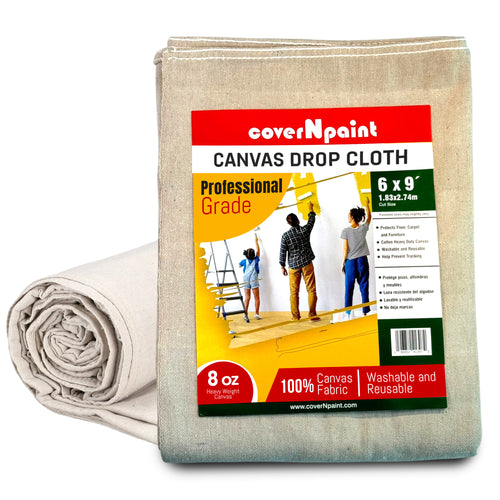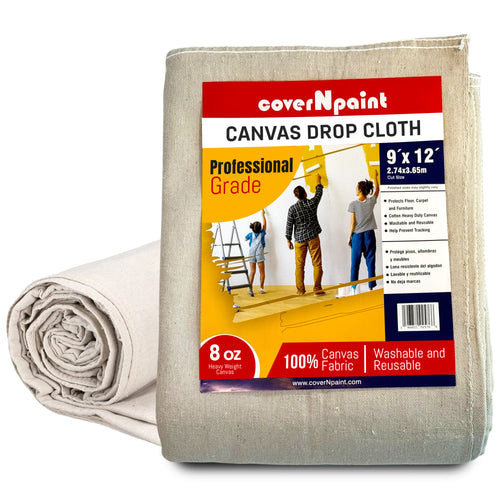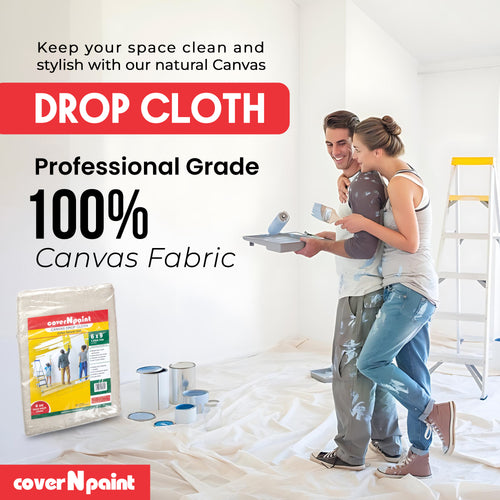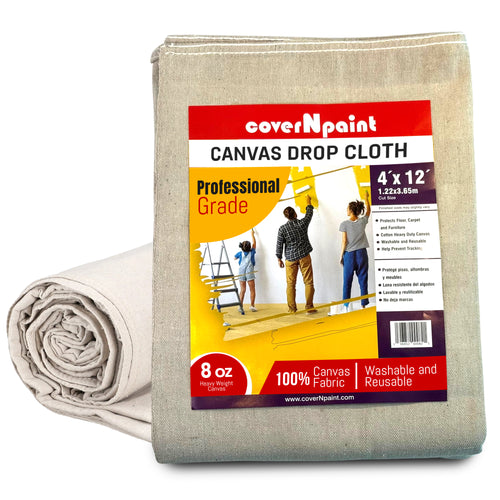

Choosing the wrong painter’s tarp can ruin floors, damage furniture, or slow down your entire project. Indoor and outdoor jobs need different protection, and one tarp does not fit every situation. This guide explains how to choose the right painter’s tarp based on surface type, environment, and project size, so you can protect your space properly and work with confidence.
Why the Right Painters Tarp Matters
Paint spills spread fast. Dust travels even faster. The good painter’s tarp controls the mess, improves safety, and reduces cleanup time. The wrong tarp slides, tears, or allows paint to leak through, causing more damage than protection. This is why professionals and homeowners choose quality paint drop cloths designed for real use.
Indoor Projects Need Control, Not Just Coverage
Indoor painting requires precision. Floors, furniture, and fixtures must stay clean without creating slip hazards. Canvas tarps are often preferred indoors because they absorb paint instead of letting it pool. Plastic sheets may be waterproof, but they slide easily and can push paint outward, increasing risk.
Outdoor Projects Need Durability and Size
Outdoor projects face wind, moisture, and uneven ground. A painter’s tarp used outside must be large enough to stay anchored and strong enough to handle foot traffic and debris. Thicker materials perform better in these conditions. Size selection becomes critical for outdoor coverage, especially for patios, decks, and siding work.
Indoor vs Outdoor Painters Tarp Requirements
|
Project Location |
Key Requirement |
Best Tarp Type |
|
Indoor floors |
Slip resistance |
Canvas tarp |
|
Indoor furniture |
Absorption |
Canvas tarp |
|
Outdoor decks |
Durability |
Heavy canvas |
|
Outdoor walls |
Coverage size |
Large canvas |
|
Mixed use |
Balance |
Medium canvas |
This comparison helps match tarp type to environment.
Canvas vs Plastic Tarps for Painting

Canvas tarps absorb paint and stay in place. Plastic tarps block moisture but slide and trap liquid. For most painting jobs, especially indoors, canvas offers better control and safety. Plastic works best only when full waterproofing is required and movement is minimal. coverNpaint focuses on canvas tarps that balance absorption, strength, and usability.
Matching Tarp Size to Project Scope
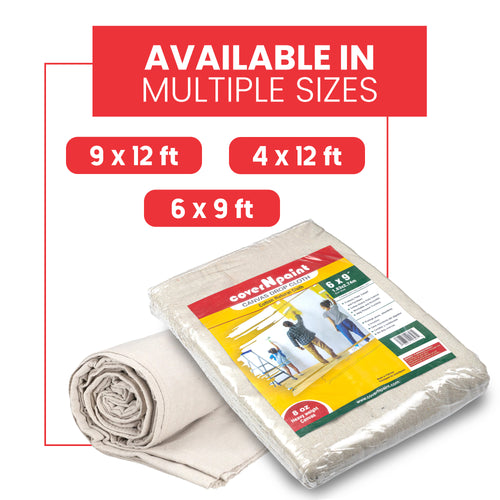
Size mistakes are common. A tarp that is too small leaves exposed edges. A tarp that is too large becomes difficult to manage. Measuring the work area before buying prevents these issues. For larger rooms or exterior jobs, overlapping tarps can improve coverage without sacrificing control.
Choosing Tarp Size Based on Project Type
|
Project Type |
Recommended Size Range |
Reason |
|
Single room |
Medium |
Easy handling |
|
Full interior |
Large |
Wall-to-wall coverage |
|
Deck painting |
Extra large |
Edge protection |
|
Furniture work |
Small to medium |
Targeted coverage |
Correct sizing improves both safety and efficiency.
Paint Type Also Affects Tarp Choice
Water-based paints spread differently than oil-based paints. Canvas handles water-based paints well by absorbing excess liquid. Thicker canvas also resists oil-based paint penetration longer than thin materials. This makes canvas a reliable option across most paint types.
Multi-Use Value for Homeowners
A quality painter’s tarp is not a single-use item. Canvas tarps can be reused for painting, repairs, moving furniture, and home projects. This makes them more cost-effective than disposable plastic sheets. Many homeowners reuse the same tarp across multiple projects without performance loss.
Indoor Safety and Slip Prevention
Slips are a major risk during painting .Canvas tarps grip floors better than plastic, even when damp. This reduces accidents in busy indoor spaces like hallways and kitchens. For homes with children or pets, this added stability matters.
Outdoor Stability in Windy Conditions
Outdoor painting introduces movement. Canvas tarps are heavier and less likely to lift or fold in wind. This helps maintain coverage and prevents debris from reaching painted surfaces. Anchoring corners further improves performance during exterior work.
Beyond Painting: Extra Value from Canvas Tarps
Canvas tarps serve more than one purpose. They can protect floors during repairs, cover furniture during renovations, or act as temporary work surfaces. This versatility increases their overall value. You can explore additional home uses here: 10 Surprising Ways to Use Canvas
Why coverNpaint Is a Reliable Choice
Cover N Paint focuses on functional protection, not marketing claims. Their painter’s tarps are designed for durability, proper weave density, and practical sizing. This makes them suitable for both indoor and outdoor projects across Pearl states and nearby cities in the USA. Their e-commerce model ensures easy access to consistent quality products.
Cleaning and Reusing Painters Tarps
Canvas tarps are easy to maintain. Dried paint can be shaken off. Light spills can be spot-cleaned. Proper drying before storage extends tarp life significantly. This reusability supports long-term project planning.
Frequently Asked Questions
What Is the Best Painter's Tarp for Indoor Use?
Canvas tarps are best for indoor use because they absorb paint and reduce slipping.
Can One Tarp Be Used for Indoor and Outdoor Projects?
Yes, medium to heavy canvas tarps work well in both environments.
Are Canvas Tarps Better Than Plastic for Painting?
Yes, canvas offers better control, safety, and reusability for most painting jobs.
How Do I Choose the Right Tarp Size?
Measure the work area and choose a tarp that fully covers edges and walk paths.
Where Can I Buy Quality Painters Tarps in the USA?
You can buy reliable painter’s tarps online from coverNpaint