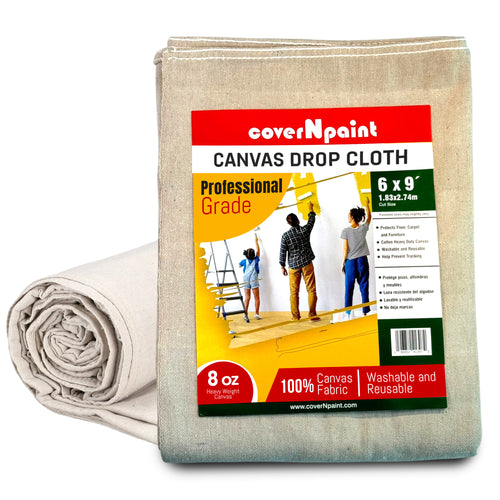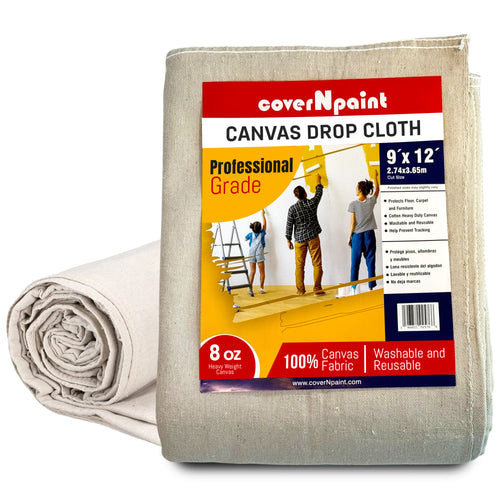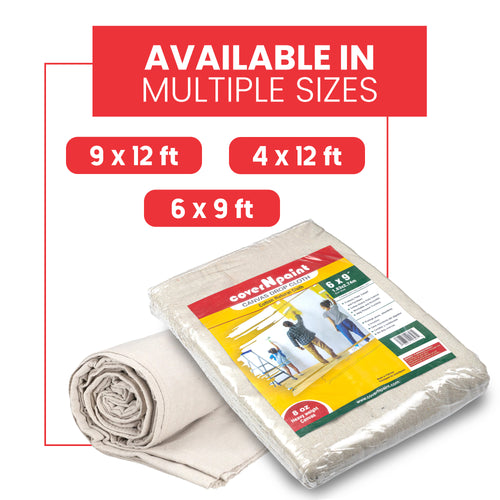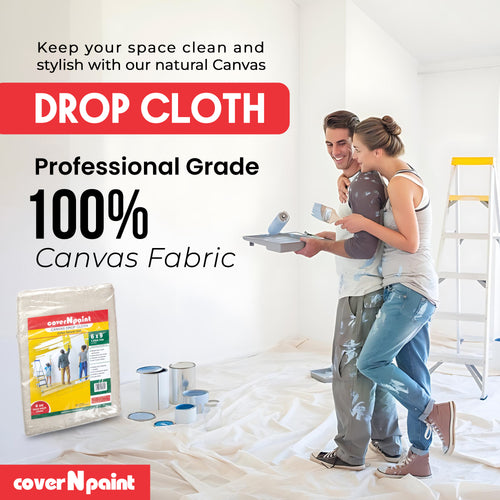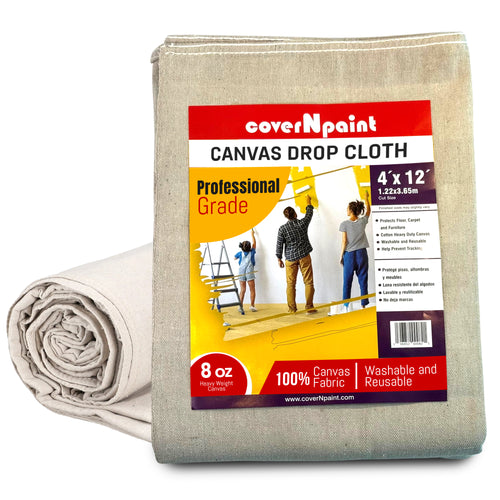

Protecting floors and furniture is one of the most critical steps in any painting project. Many DIYers and professionals in Pearl and nearby U.S. cities struggle with paint seeping through canvas drop cloths. Even high-quality coverNpaint canvas can allow leaks if not prepared correctly.
This guide shares actionable, expert-approved methods to prevent paint seepage. Using the right materials and techniques keeps your workspace clean, your project professional, and cleanup simple. coverNpaint canvas drop cloths are trusted nationwide for their durability, absorbency, and reliability. Combined with proper handling, they provide maximum protection for every painting task.
Understanding Why Paint Seeps Through Canvas
Paint can seep through canvas due to several factors. Thin or worn areas in the fabric, uneven surfaces beneath the cloth, or excessive wet paint can all cause leaks.
Water-based paints or multiple layers of heavy pigment increase the likelihood of saturation. Recognizing these causes allows you to prevent seeping before it starts. coverNpaint premium canvas reduces risk due to its thick, tightly woven fibers, but preparation and technique are still essential.
Preparing Your Canvas Drop Cloth
Start by inspecting your drop cloth for thin spots, tears, or frayed edges. High-quality paint drop cloths from coverNpaint provide uniform thickness and absorbency, ensuring better protection. For delicate surfaces like hardwood or tiles, consider placing a thin plastic liner beneath the canvas. This adds a secondary barrier without affecting the canvas’s grip or absorbency.
Washing the canvas before use removes dust and factory residues. Clean, pre-washed fabric absorbs paint more evenly and reduces the chances of seepage.
Common Causes of Paint Seepage and Prevention
|
Cause |
Prevention |
|
Thin or worn canvas |
Use premium coverNpaint drop cloths |
|
Uneven surfaces |
Place a plastic liner under the canvas |
|
Excess paint |
Apply moderate amounts to brushes or rollers |
|
Water-based paint |
Layer canvas or allow partial drying between coats |
Layering Canvas For Extra Protection
Layering is a proven method to prevent seepage. For heavy painting projects, use multiple layers of canvas. Each layer absorbs excess paint and prevents it from reaching the floor. Overlap edges of the layers, particularly in high-traffic areas or spots where drips are likely. Folding the canvas for extra thickness under furniture or tools adds further protection against accidental spills.
Using Fixatives and Sealants
Applying a fixative or sealant to the underside of the canvas creates a temporary barrier. This method is especially useful for water-based paints and high-pigment coatings.
coverNpaint customers report that pairing a fixative with their high-quality canvas reduces accidental seepage and simplifies cleanup. Always follow manufacturer instructions to ensure effectiveness.
Proper Painting Techniques
Paint application technique is as important as canvas quality. Avoid overloading brushes and rollers, which can saturate the fabric. Work systematically, moving section by section, and allow paint to partially dry before shifting heavy tools. These small adjustments prevent pooling and reduce pressure on the canvas fibers. Combining proper technique with coverNpaint canvas provides professional results every time.
Best Practices for Preventing Paint Seepage
|
Practice |
Benefit |
|
Use premium canvas |
Thick, absorbent fibers prevent leaks |
|
Layer canvas if necessary |
Extra absorption for heavy paints |
|
Apply plastic liners |
Added protection for delicate floors |
|
Consistent paint application |
Reduces pooling and seepage |
Creative Uses While Protecting Surfaces
Canvas drop cloths are versatile. Beyond floors, they can safeguard furniture, windowsills, and outdoor surfaces during painting. coverNpaint canvas ensures these areas remain protected while you work. Many DIY enthusiasts also repurpose canvas for craft projects, photography backdrops, or temporary upholstery covers. Using proper techniques prevents paint from reaching unintended areas.
For those interested in customizing canvas before painting, see our guide on How to Dye Painters Drop Cloth. Dyed canvas performs just as effectively while adding aesthetic appeal.
Frequently Asked Questions
Why does paint seep through canvas drop cloths?
Seeping occurs from thin fabric, excessive paint, or poor placement. Premium coverNpaint canvas reduces this risk significantly.
Can layering canvas fully prevent leaks?
Yes, multiple layers over delicate surfaces provide extra absorption and protection.
Is a plastic liner necessary under the canvas?
For hardwood, tile, or sensitive surfaces, a thin liner adds an extra barrier while preserving absorbency.
Will applying a fixative help prevent seepage?
Yes, a fixative on the underside creates a temporary barrier and protects against wet paint.
Can dyed canvas drop cloths prevent seeping?
Absolutely. For guidance, see our guide on How to Dye Painters Drop Cloth. Dyed canvas works just as effectively.