
Paint spills do not give second chances. One mistake can permanently stain hardwood, carpet, or tile. Floor protection is not optional during painting; it is the most important step before the first brush stroke.
This guide explains how to protect floors properly while painting, using proven methods professionals rely on, with practical advice for homeowners across Pearl states and nearby cities in the USA.
Why Floor Protection Fails Most of the Time
Most floor damage happens because people choose the wrong covering. Thin plastic slides, paper tears, and cheap sheets let paint seep through. Once paint touches the floor, cleanup becomes expensive and sometimes impossible. That is why experienced painters use quality paint drop cloths that absorb paint and stay in place.
Understand Your Floor Type Before Painting
Every floor reacts differently to paint spills. Hardwood absorbs stains quickly. Carpet traps wet paint deep in fibers. Tile and vinyl are easier to clean but still stain at grout lines and seams. Floor protection must match the surface, not just the paint type.
Why Canvas Drop Cloths Are Preferred
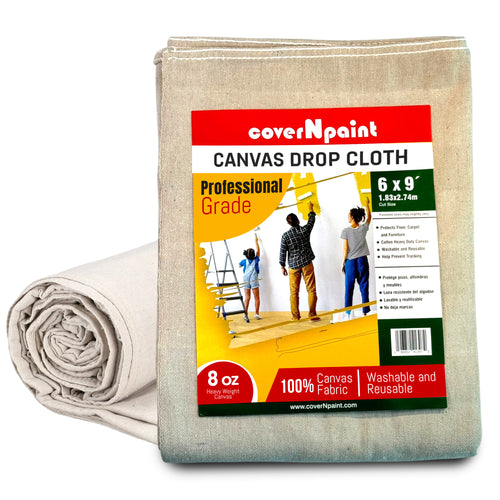
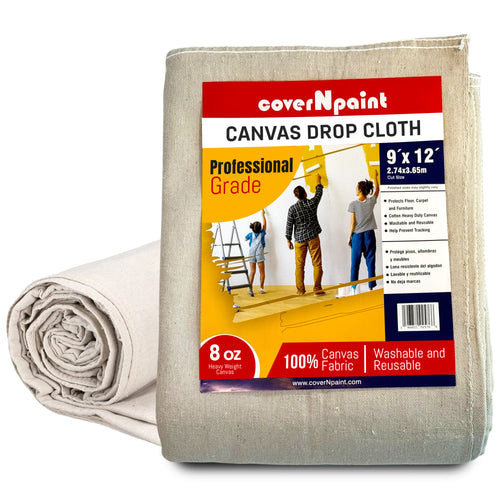
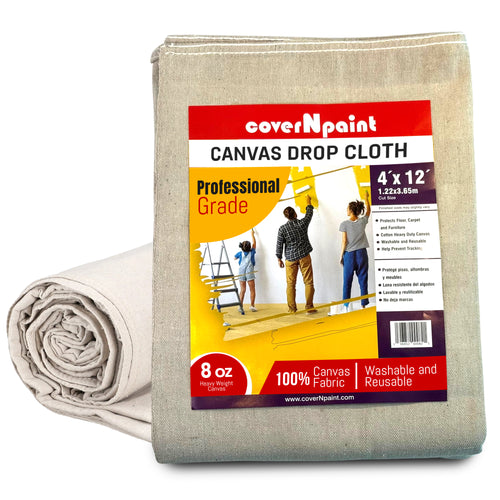
Canvas drop cloths absorb paint instead of spreading it. They reduce slipping, protect edges, and provide consistent coverage. Unlike plastic, canvas stays flat even when walked on, which improves safety and control. coverNpaint focuses on canvas drop cloths designed for real interior painting needs.
Table 1: Best Floor Protection by Floor Type
|
Floor Type |
Recommended Protection |
Reason |
|
Hardwood |
Canvas drop cloth |
Absorbs paint, prevents slipping |
|
Carpet |
Heavy canvas |
Stops soak-through |
|
Tile |
Canvas or layered canvas |
Controls spills at grout lines |
|
Vinyl |
Canvas drop cloth |
Prevents staining and movement |
Choosing the right protection prevents permanent damage.
Proper Coverage Is More Important Than You Think
Many people protect only the center of the room. Paint splatters travel farther than expected, especially during rolling. Floor edges, corners, and walk paths must be fully covered. Canvas drop cloths allow overlap without creating trip hazards.
How to Protect Floors Near Walls and Trim
Edges are the most vulnerable areas. Canvas should extend several inches up the wall base to catch drips. Taping the cloth edge lightly helps prevent movement without damaging surfaces. This small step prevents most paint edge accidents.
Controlling Foot Traffic During Painting
Paint protection fails when people walk across exposed areas. Canvas drop cloths create safer walk paths because they grip the floor. Plastic sheets slide and fold, increasing spill risk. For busy households, canvas is the safer choice.
Canvas vs Plastic for Floor Protection
|
Feature |
Canvas Drop Cloth |
Plastic Sheet |
|
Slip resistance |
High |
Low |
|
Paint absorption |
Yes |
No |
|
Reusability |
Multiple uses |
Limited |
|
Noise |
Quiet |
Loud |
This comparison explains why professionals avoid plastic indoors.
Paint Type Affects Floor Risk
Water-based paints spread quickly when spilled. Canvas absorbs excess moisture, reducing stain spread. Oil-based paints sit longer on the surface but still penetrate cheap coverings. Heavy canvas provides better protection across all paint types.
Using Layered Protection for Extra Safety
In high-risk areas, layering improves results. Using two overlapping canvas drop cloths increases absorption and prevents seepage. This is especially useful near doorways and high-traffic zones. Layering canvas does not create slipping issues like layered plastic.
Protecting Floors During Multi-Day Projects
Paint projects often take more than one day. Canvas drop cloths can remain in place overnight without shifting. They continue protecting floors during drying, sanding, or touch-ups. This continuity reduces mistakes between work sessions.
Cleaning Floors Starts With Good Protection
The easier the cleanup, the better the protection was. Canvas drop cloths trap paint, dust, and debris. Once finished, they can be folded inward to contain mess before removal. This keeps floors clean even after large projects.
Extra Uses for Canvas Drop Cloths at Home
Canvas drop cloths do not stop being useful after painting. They can protect floors during repairs, furniture moving, or seasonal projects. Their versatility adds long-term value.You can explore additional home uses here 10 Surprising Ways to Use Canvas
Why Cover N Paint Is Trusted for Floor Protection
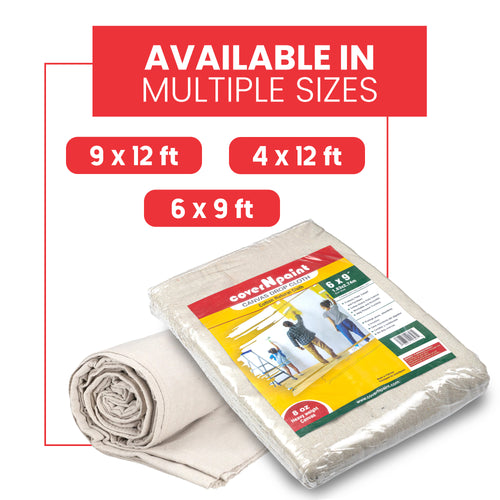
coverNpaint designs drop cloths for real conditions. Their canvas products focus on proper weight, weave density, and size options that protect floors effectively. This makes them suitable for homeowners, renters, and contractors across the USA. Their e-commerce platform ensures easy access to consistent quality.
Avoiding Common Floor Protection Mistakes
Most mistakes come from rushing. Skipping edges, using thin coverings, or relying on plastic leads to damage. Investing in proper canvas protection saves money and time. Floor protection should always be planned before opening paint.
Frequently Asked Questions
What Is the Best Way to Protect Floors While Painting?
Using canvas drop cloths that fully cover floors and edges provides the best protection.
Are Canvas Drop Cloths Better Than Plastic?
Yes. Canvas absorbs paint and reduces slipping, making it safer indoors.
Can I Reuse Canvas Drop Cloths?
Yes. With proper drying and cleaning, canvas drop cloths last through many projects.
Should I Tape Drop Clothes to the Floor?
Light taping at edges helps prevent movement without damaging surfaces.
Where Can I Buy Quality Floor Protection in the USA?
You can buy reliable canvas drop cloths online from coverNpaint .