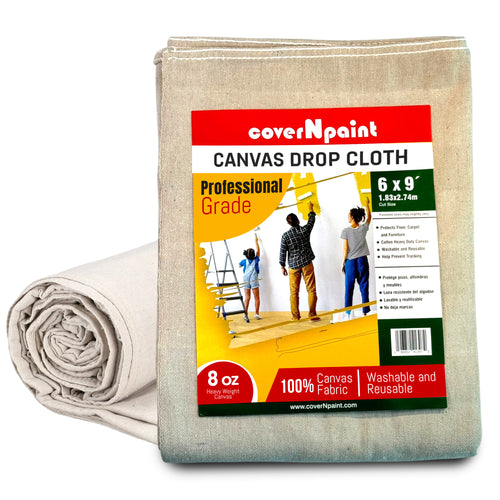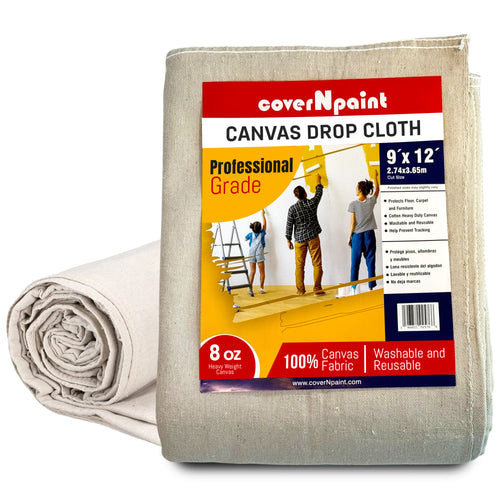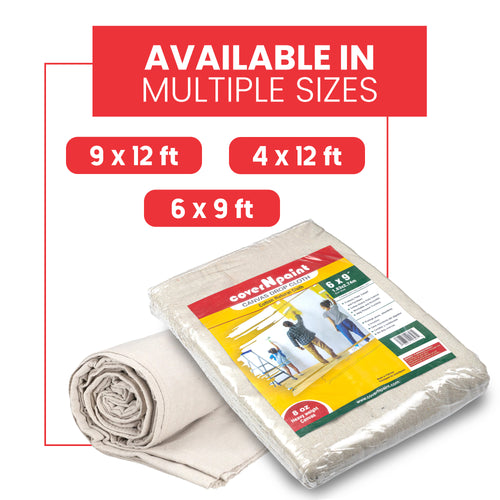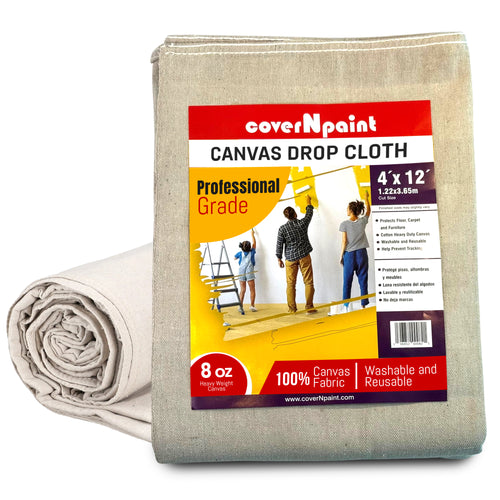

Paint damage rarely happens because of poor paint quality. It happens because surfaces were not protected properly. Floors get stained, furniture absorbs splatter, and cleanup turns into a nightmare. Painter’s drop clothes exist to prevent exactly these problems, yet many people still choose the wrong type or use them incorrectly.
Understanding how painter’s drop clothes work helps you protect every surface with confidence and avoid costly mistakes.
What Are Painter’s Drop Clothes?
Painter’s drop clothes are protective coverings designed to shield floors, furniture, and fixtures from paint drips, splashes, and dust. They are commonly made from canvas, canvas with poly backing, or lightweight plastic.
The material you choose directly affects safety, absorption, and overall protection.
Why Surface Protection Is Non-Negotiable
Painting involves constant movement. Ladders shift, rollers drip, and shoes carry paint across rooms. Without proper drop clothes, even a small spill can permanently damage hardwood floors or upholstery.
Professional painters never skip this step because they understand that prevention is cheaper than repair.
Canvas Drop Clothes vs Other Options
Canvas drop clothes are preferred because they absorb paint instead of spreading it. They stay flat underfoot and reduce slipping risks during active work.
Plastic sheets may seem convenient, but they allow paint to pool and slide, creating hazards and mess.
How Drop Clothes Protect Floors
Floors face the most risk during painting. Drips land directly on walking surfaces, and movement spreads paint quickly.
Canvas drop clothes trap paint where it falls. This prevents tracking and makes cleanup easier once the job is complete.
Furniture Protection Requires Stability
Furniture often has uneven shapes and smooth surfaces. Lightweight covers slide off easily, exposing edges and corners.
Canvas drop clothes grip furniture surfaces better and stay in place throughout the project, providing consistent coverage.
Choosing the Right Drop Cloth for Each Area
Different areas require different protection levels. Hallways, stairs, and high-traffic zones demand heavy canvas. Light tasks may allow lighter materials.
The table below shows which type works best for common areas.
|
Area Being Protected |
Recommended Drop Cloth |
Reason |
|
Hardwood Floors |
Canvas Drop Cloth |
Absorbs spills and prevents slipping |
|
Carpets |
Heavy Canvas |
Stays flat and traps paint |
|
Furniture |
Canvas |
Does not slide off |
|
Exterior Surfaces |
Poly-Backed Canvas |
Blocks moisture and absorbs paint |
Matching the cloth to the surface improves results.
Safety Is a Major Advantage of Canvas
Plastic becomes slippery as soon as paint or water touches it. This creates a serious fall risk, especially around ladders.
Canvas absorbs moisture instead of spreading it, keeping work areas safer throughout the project.
Why Professionals Trust Canvas Drop Clothes
Professional painters rely on tools that perform under pressure. Canvas drop clothes remain stable, durable, and effective across multiple jobs.
This is why experienced painters consistently choose canvas over disposable alternatives.
How coverNpaint Supports Better Protection
coverNpaint focuses on providing durable, practical painter’s drop clothes designed for real-world use. Their products are built for repeated projects and demanding environments.
Through coverNpaint, homeowners and professionals across the USA can access reliable surface protection without compromise.
Using Drop Clothes Correctly Matters
Even the best drop cloth fails if used incorrectly. Gaps between clothes expose floors. Wrinkles create trip hazards.
Lay drop clothes flat, overlap edges slightly, and secure them around corners for full coverage.
Reusability and Long-Term Value
Canvas drop clothes can be reused many times when cleaned and stored properly. This reduces waste and saves money over time.
Disposable plastic may seem cheaper initially, but repeated replacement increases overall cost.
Comparing Drop Cloth Materials
The table below highlights the practical differences between common materials.
|
Material |
Absorption |
Slip Resistance |
Reusability |
|
Canvas |
High |
High |
Long-term |
|
Poly-Backed Canvas |
High |
High |
Professional use |
|
Plastic Sheets |
None |
Low |
Disposable |
Canvas consistently outperforms other options where protection matters most.
Indoor and Outdoor Use
Canvas drop clothes work well indoors and outdoors when the correct type is chosen. Poly-backed canvas is ideal for areas exposed to moisture.
Using untreated canvas on wet ground is not recommended.
Protecting More Than Floors
Drop clothes are not just for floors. They protect cabinets, countertops, stair rails, and appliances from accidental splatter.
Full coverage ensures consistent results without constant cleanup interruptions.
Learning from Professional Practices
Professional painters treat surface protection as part of the painting process, not an afterthought. Their habits are built on experience and results.
This guide on Why Professional Painters Prefer Canvas Drop Cloths explains how professionals choose materials that protect both surfaces and reputation.
Local Availability Across the USA
coverNpaint serves customers across major US states and cities, making it easy to get quality drop clothes quickly. Reliable access helps keep projects on schedule.
This matters for both homeowners and contractors working under time constraints.
FAQs About Painter’s Drop Clothes
What is the best drop cloth material for painting?
Canvas is the best option because it absorbs paint and stays in place.
Are plastic drop clothes safe to use?
Plastic can be slippery and is better suited for masking rather than floor protection.
Can canvas drop clothes be reused?
Yes. With proper care, canvas drop clothes last for many projects.
Do I need different drop clothes for furniture and floors?
Canvas works well for both, but heavier cloths are better for floors.
Where can I buy quality painter’s drop clothes?
You can purchase durable options online through coverNpaint.